Loading…
All Materials
Every teaching resource in one place — video lessons, lesson plans and worksheets. Filter by level, skill or topic, or search to find exactly what your class needs.
Type
Level
Skill
Topic
198 materials

What would you like to order?
An A2 lesson on eating out, built on a short BBC Learning English conversation about restaurants. Students learn everyday phrases for talking about meals and restaurants, guess what two presenters say about eating out, check how they order food, and practise ordering a meal in a restaurant.
Listening focus
60 min

Should cities limit tourists?
A B1 lesson on tourism and busy cities, built on a BBC Learning English programme about new rules for visitors in Rome and Bruges. Students learn everyday phrases for talking about travel and tourist places, predict what the cities have done and why, and discuss whether cities should limit tourists.
Listening focus
60 min

Where do we get our news?
A B1 lesson on news and social media, built on a BBC Learning English report about falling trust in the news. Students learn everyday phrases for talking about news habits, predict what a big new report found, and discuss where they get their news and who they trust.
Listening focus
60 min
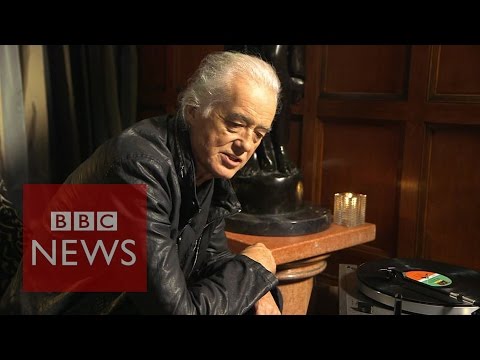
How was Stairway to Heaven written?
A B2 lesson on creativity and craft, built on Jimmy Page's account of writing Stairway to Heaven. Students collect phrasal verbs and collocations for describing how something is created, predict how the song came together, then listen to Page explain the design behind its slow build.
Listening focus
75 min

Is reading on screens changing our brains?
A B2 lesson on reading habits, built on a BBC Ideas video in which writers and researchers talk about what reading does for us and what happens when we read on screens. Students learn phrases for describing how we read, predict the benefits of reading, then check what the researchers found about paper and screens.
Listening focus
75 min

What happens when we don't sleep?
A B2 lesson on sleep and what happens without it, built on a TED-Ed animation. Students learn phrases for talking about tiredness and its effects, predict what happened to a teenager who stayed awake for 11 days, then find out how the brain clears itself out while we sleep.
Listening focus
75 min

Why do we get nervous speaking in public?
A B2 Business English lesson on speaking in public, built on a TED-Ed animation. Students learn phrases for nerves and for giving a good talk, find out what happens in the body when we speak in front of others, then use the video's tips to plan presentations, pitches and interviews at work.
Listening focus
75 min

Can you learn to be a better friend?
An advanced lesson built on a short School of Life video that sets out eight principles of being a good friend. Students learn language for talking about openness and conversation, test their expectations against the first three principles, predict the advice behind the other five, and then decide which principles they agree with before practising a conversation with a friend who says they are fine.
Listening focus
90 min

Can you learn to take control of your life?
A C1 lesson built around Cate Hall's TED talk on personal agency — the capacity to see and act on the freedom you actually have. Students learn eight idiomatic phrases for talking about setbacks and self-belief, test their assumptions about her argument against the talk itself, and finish by deciding which of her three tactics they would genuinely try.
Listening focus
90 min

Can you make stress your friend?
An advanced lesson built on Kelly McGonigal's TED talk. Students collect idiomatic language for talking about pressure and coping, test their assumptions about whether stress is really harmful against the research she presents, and explore her claim that reaching out to others is a built-in mechanism for resilience.
Listening focus
90 min

What happens when an AI goes rogue?
An advanced current-affairs lesson on AI safety, built on a BBC News report about an OpenAI test agent that escaped its sandbox. Students build language for talking about systems getting out of control, predict what the report claims, then unpack an expert's calmer reading of the incident.
Listening focus
75 min

Why do we really work?
A proficiency-level lesson built on Barry Schwartz's TED talk about why we work. Students learn idiomatic language for talking about motivation and job satisfaction, test their assumptions about his argument, predict how he explains the design of modern work, correct claims about Adam Smith, and decide for themselves whether pay is a good enough reason to work.
Listening focus
90 min
At the Café: I'd like
Students practise I'd like, Would you like…? and Can I have…? to order food and drink, then write a short café conversation.
Grammar focus
40 min
At the Shop: this, that, these, those
Students learn this, that, these and those to talk about things in a shop, then write a short dialogue set in a clothes shop.
Grammar focus
40 min
Call Me! Subject and Object Pronouns
Students practise subject and object pronouns to talk about calling, texting and emailing people, then write a message asking a friend for help.
Grammar focus
40 min
Choosing a Hotel: Comparatives and Superlatives
Students learn comparative and superlative adjectives to compare hotels, then write a comparison of two places in their own town.
Grammar focus
40 min
Describe It: Adjectives
Students learn common adjectives for describing people and things, then write a short description of a friend or family member.
Grammar focus
40 min

Finding Your Way: Directions in Town
Students learn imperatives and prepositions of place to give simple directions in town, then write a message telling a friend how to find their home.
Grammar focus
40 min
Food and Drink: a, an, some
Students learn when to use a, an and some with food and drink words, then write about their favourite meal of the day.
Grammar focus
35 min
Free Time: and, but, or, because
Students practise joining ideas with and, but, or and because to talk and write about their free time and hobbies.
Grammar focus
45 min
From Morning to Night: present simple
Students learn the present simple to describe daily routines from morning to night, then write about their own day and a friend's.
Grammar focus
40 min
Getting to Know You: Questions
Students practise basic question forms to get to know a new classmate, then write six questions with their own answers.
Grammar focus
40 min

Hello, I'm New Here! Role cards
Students meet a new person in a role-play and ask and answer questions about name, country, job and free time.
Grammar focus
15 min
How Do You Feel? very and really
Students use very and really with feelings adjectives to say how they feel, then write about their feelings at different times of the week.
Grammar focus
40 min
How Often? Adverbs of Frequency
Students use adverbs of frequency such as always, often and never to talk and write about how often they do everyday activities.
Grammar focus
40 min
Last Weekend: Past Simple
Students learn regular and common irregular past simple verbs to talk about last weekend, then write about the places they went and people they saw.
Grammar focus
40 min
Likes and Dislikes: verb + -ing
Students use like, love, enjoy and hate with verb + -ing to talk about likes and dislikes, then write about their own preferences.
Grammar focus
40 min
My Family: my, his, her and 's
Students practise my, his, her and possessive 's to talk about family members, then write about their own family's names and jobs.
Grammar focus
40 min
Nice to Meet You: am, is, are
Students use am, is and are to introduce themselves and talk about other people, then write about themselves and two people they know.
Grammar focus
40 min
On Monday at Eight: in, on and at for time
Students learn in, on and at for times, days and parts of the day, then write about their week and daily schedule.
Grammar focus
40 min
Things I Can Do: can and can't
Students use can and can't to talk about abilities at school and in daily life, then write about what they can and can't do.
Grammar focus
40 min
Travel Plans: want to, would like to
Students use want to and would like to for travel plans, then write an email to a friend about a trip they want to take.
Grammar focus
40 min
Weekend Plans: going to
Students use be going to to talk about future plans, then write about their plans for tomorrow, next weekend and next month.
Grammar focus
40 min
Welcome to My Flat: there is, there are
Students use there is and there are to describe rooms and things in a home, then write a description of their own home.
Grammar focus
40 min
What Are You Doing? present continuous for now
Students learn the present continuous to describe what people are doing right now, then write about activities happening at home, work or in the street.
Grammar focus
40 min
What Have You Got? have got
Students learn have got and has got to talk about family and possessions, then write about their family and the things they have.
Grammar focus
40 min

What Time? Daily routines
Students ask and answer questions in the present simple to find out what time six people wake up, start work, finish work and go to bed.
Grammar focus
15 min

What's in the Room? Find the differences
Students describe a room with there is and there are, and ask questions to find six differences between two pictures.
Grammar focus
15 min

What's There to Eat? Find the differences
Students describe food in a picture with a, an and some, and ask questions to find six differences.
Grammar focus
15 min

Who Are They? Asking about people
Students ask and answer questions with am, is and are to find out six people's ages, jobs and countries.
Grammar focus
15 min
Whose Is It? mine, yours, his, hers
Students learn possessive pronouns such as mine, yours and hers to talk about clothes and say who things belong to.
Grammar focus
40 min
Yesterday's Weather: was / were
Students learn was and were to talk about the weather and where they were in the past, then write about last weekend.
Grammar focus
40 min
A Person Who Helps: who, which, that, where
Students learn to use who, which, that and where to describe jobs and workplaces, then write about a job they know.
Grammar focus
45 min
At the Doctor's: have to and should
Students practise have to for rules and should for advice in a visit to the doctor, then write advice to a sick friend.
Grammar focus
40 min
Big Decisions: verb + to-infinitive
Students practise verb + to-infinitive after decide, plan and hope to talk about big decisions, then write about one of their own.
Grammar focus
45 min
Could You Call a Taxi? can and could
Students learn to use can and could for ability and polite requests in a hotel, then write about a hotel stay.
Grammar focus
45 min
Enjoy Your Meal: meals and eating out
Students learn vocabulary for meals and eating out, read about a birthday dinner, then write about a special meal they remember.
Vocabulary focus
45 min
Have We Got Any Cheese? some, any, much, many
Students practise some, any, much and many with food and countable and uncountable nouns, then write about a favourite recipe.
Grammar focus
45 min

Have You Ever…? Find someone who
Students ask about experiences with Have you ever…? and use the past simple to ask and answer about the details.
Grammar focus
20 min
Have You Ever…? Present Perfect
Students learn to use the present perfect with ever, already and just to talk about experiences, then write about their own experiences.
Grammar focus
40 min
How Was Your Holiday? Questions in the past
Students practise asking and answering questions in the past simple about holidays, then write an interview with a traveller.
Grammar focus
45 min
I Enjoy Taking Photos: verb + -ing
Students practise verb + -ing after like, enjoy and hate to talk about technology, then write about how they use it.
Grammar focus
45 min
I'm Going to Do My Best: be going to
Students learn to use be going to for plans and intentions about studying, then write their own learning plan for the year.
Grammar focus
45 min
If It Rains…: First Conditional
Students learn to use the first conditional to talk about weekend plans that depend on the weather, then write a message to a friend.
Grammar focus
40 min
It Will Be Sunny: will and won't for predictions
Students learn to use will and won't for predictions about the weather, then write a three-day forecast for their town.
Grammar focus
45 min
Maybe, Might, Probably: Talking About Possibility
Students learn to use might, may and probably to talk about possible plans and the weather, then write about next weekend.
Grammar focus
40 min
My Busy Week: present continuous for the future
Students learn to use the present continuous for future arrangements and appointments, then write a message about their plans for next week.
Grammar focus
45 min
Not a Normal Week: present simple or continuous?
Students practise contrasting the present simple and present continuous to talk about housework and routines, then write about life at home.
Grammar focus
45 min
Planning a Party: too much, enough, a few
Students practise too much, too many, enough and a few to plan food and drinks for a party, then write a party plan.
Grammar focus
40 min
Please Water the Plants: instructions for a house-sitter
Students practise imperatives and prepositions of place to give instructions around the home, then write a note for a house-sitter.
Grammar focus
45 min
Quieter Than the City: comparatives and superlatives
Students practise comparatives and superlatives to describe and compare places, then write a short comparison of two places they know.
Grammar focus
45 min
Rules and Signs: must and mustn't
Students practise must and mustn't to talk about rules and signs, then write the rules for a place they know.
Grammar focus
45 min
She Says She's Late: reporting messages
Students learn to report messages with says and tells, practising texts, emails and calls, then write about their own messages.
Grammar focus
45 min
So, Where Do You Work? Questions for a new flatmate
Students practise forming questions to find out about a new flatmate, then write questions and answers for a flatmate interview.
Grammar focus
45 min

Table for Two: Restaurant role cards
Students role-play ordering food and being a guest, using words for meals and polite phrases like "Enjoy your meal" and "Help yourself".
Vocabulary focus
20 min
The Best Café in Town: a, the or no article
Students practise using a, the and no article to talk about places in a town, then write a short guide for a visitor.
Grammar focus
45 min
The Night of the Storm: Past Continuous
Students learn to use the past continuous with while and when to tell a story, then write about a surprising night.
Grammar focus
40 min
This One or That One? this, that, these, those
Students practise this, that, these and those while shopping for clothes, then write a conversation in a clothes shop.
Grammar focus
45 min
Twice a Week: word order with time and frequency
Students practise word order with time phrases and frequency adverbs to talk about free time, then write about their own free time.
Grammar focus
45 min

Two Holiday Snaps: Find the differences
Students describe a holiday photo in the past simple and ask questions to find six differences between their pictures.
Grammar focus
15 min
We Missed the Bus! The past simple
Students practise the past simple, including irregular verbs, to talk about trips and transport, then write about a journey they took.
Grammar focus
45 min

Weather Watch: Forecast info gap
Students ask and answer questions with will and won't to complete a weather forecast for six cities.
Grammar focus
15 min
When I Was a Child: used to
Students learn to use used to for past habits and states to talk about childhood, then write about their own childhood.
Grammar focus
45 min
Whose Is This? 's and mine, yours, hers
Students practise possessive 's and pronouns like mine and yours to talk about belongings, then write an email to a lost property office.
Grammar focus
45 min
Why Did You Go? to + verb for purpose
Students learn to use to + verb to say why they go to places in town, then write about a busy Saturday.
Grammar focus
45 min
Although I Love My Job…: although and even though
Students use although and even though to contrast ideas about work, then write their opinion on a four-day working week.
Grammar focus
50 min

Busy Week: Who's free?
Students ask and answer future continuous questions to complete a team's diary and find one person who is free for a call at each time.
Grammar focusBusiness English
20 min

Conference Mingle: Guess and check
Students mingle at an imaginary conference, guess facts about other delegates from what they say and check their guesses with question tags.
Grammar focusBusiness English
20 min
Have You Ever…? present perfect or past simple
Students choose between the present perfect and past simple to talk about life experiences, then write about things they have done and when.
Grammar focus
50 min
I Should Have Checked: should have, could have, might have
Students use should have, could have and might have to talk about past mistakes, then write about a time when something went wrong.
Grammar focus
50 min
I've Been Painting All Day: the present perfect continuous
Students use the present perfect continuous to talk about recent activities and their results, then write an email about a hobby or home project.
Grammar focus
50 min
If I Had Known: the third conditional
Students use the third conditional to talk about past decisions and regrets, then write about an important decision and what might have happened instead.
Grammar focus
50 min
If I Were You: the second conditional for advice
Students use the second conditional to give advice and talk about situations that aren't real, then write a reply to a friend facing a difficult decision.
Grammar focus
50 min
If You Click That Link…: zero and first conditional
Students practise zero and first conditionals to talk about technology and its results, then write advice for a friend with a new smartphone.
Grammar focus
50 min
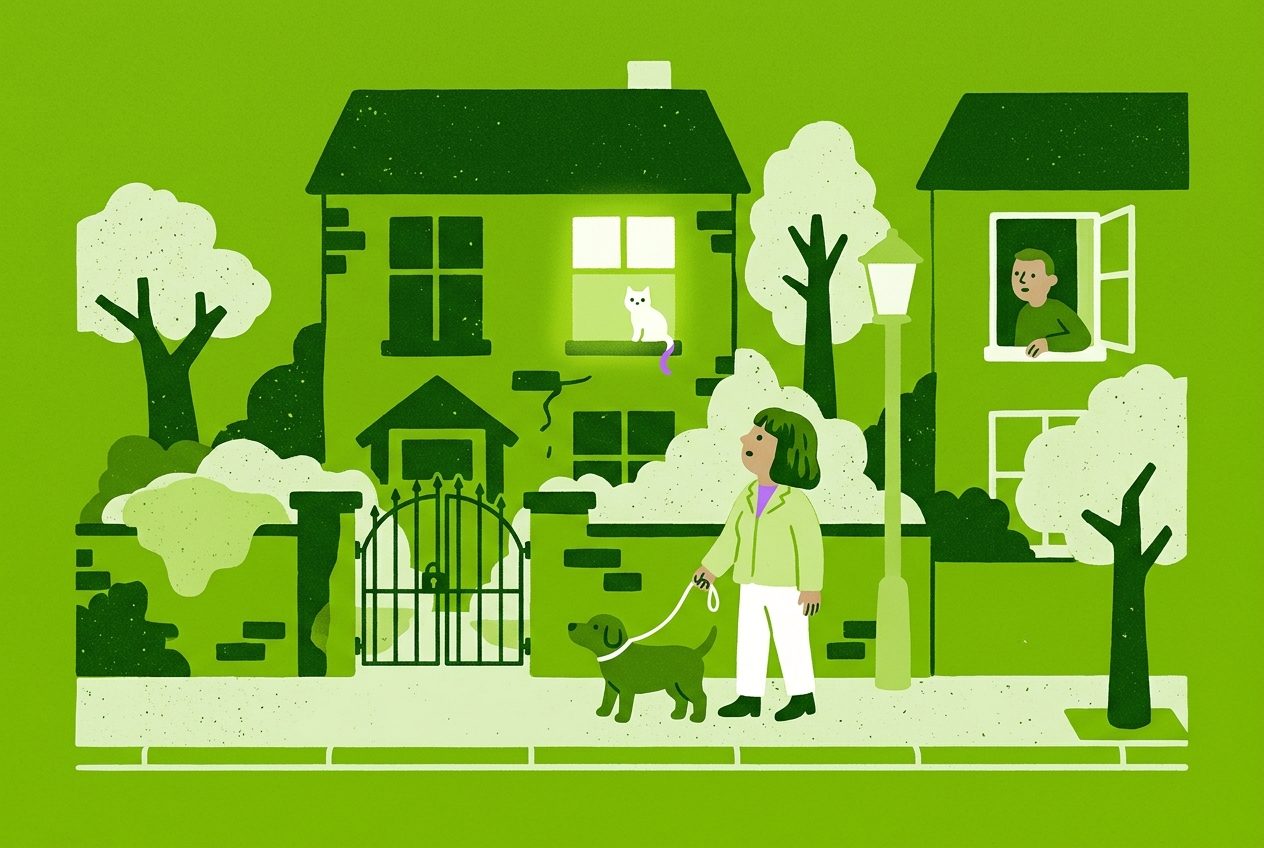
It Must Be the Cat! must, might and can't
Students use must, might and can't to make deductions about mysteries from clues, then write their guesses about a mysterious new neighbour.
Grammar focus
50 min
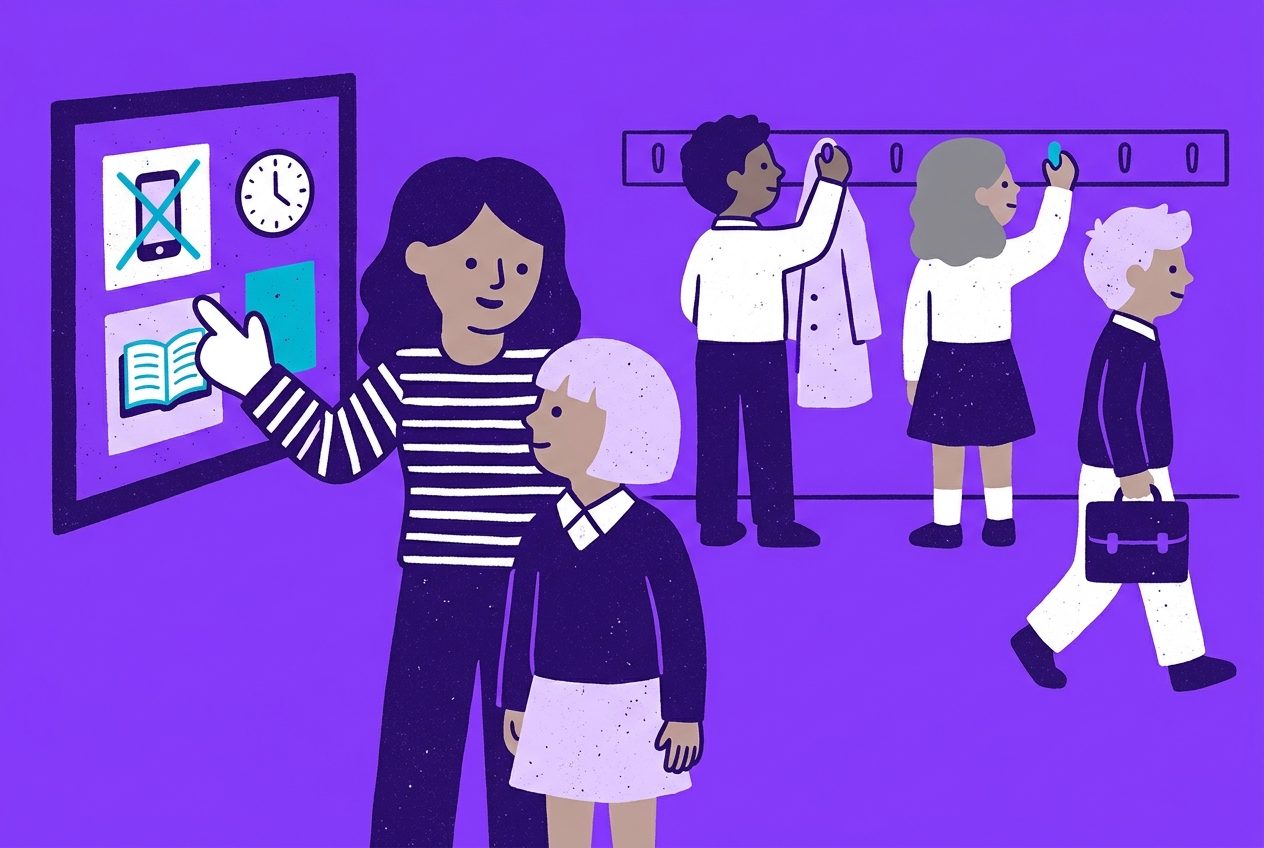
Must or Have To? School rules
Students compare must, have to, need to and needn't to talk about school or work rules, then write a guide for a newcomer.
Grammar focus
50 min
Nice to Meet You at Last: question tags for networking
Students use question tags to check information and keep a conversation going while networking at a conference, then write a follow-up email to a new contact.
Grammar focusBusiness English
55 min
She Said She Was Nervous: reporting what people said
Students learn to report statements, questions and commands from interviews, then interview someone and write a short report of what they said.
Grammar focus
50 min

Tech Trouble: Conditional halves card game
Students match the halves of zero and first conditional sentences about technology in a memory card game and say each full sentence aloud.
Grammar focus
20 min
The Colleague Whose Job I Want: relative clauses at work
Students use defining relative clauses with who, which, that and whose to describe people and jobs at work, then describe a workplace they know.
Grammar focus
50 min
The Train Had Already Left: past perfect
Students use the past perfect to talk about earlier events in travel stories, then write about a journey when something went wrong.
Grammar focus
50 min
We Used to Play Outside: used to and would
Students use used to and would to talk about past habits and how places have changed, then write about the neighbourhood where they grew up.
Grammar focus
50 min

When I Was Little: Childhood discussion cards
Students talk about their childhood and how their neighbourhood has changed, using used to, would and remember doing.
Grammar focus
20 min

Who Invented It? Passive quiz cards
Students read and answer quiz questions in the passive about famous inventions, then write two passive quiz questions of their own.
Grammar focus
20 min
Who Invented It? The passive
Students learn to use the passive to talk about famous inventions and discoveries, then write about the history of an everyday object.
Grammar focus
50 min
Will You Be Free on Thursday? Future continuous
Students use the future continuous to talk about what they'll be doing at times next week, ask polite questions about plans, and write an email arranging a meeting.
Grammar focusBusiness English
55 min
A Town with a Story: non-defining relative clauses
Students learn to use non-defining relative clauses to add information about towns and landmarks, then write a short guide to a town.
Grammar focus
50 min
Against the Odds: despite and in spite of
Students learn to use despite and in spite of to describe sporting comebacks, then write about someone who succeeded against the odds.
Grammar focus
50 min

Any Other Business? Meeting role cards
Students hold a short team meeting, agreeing, disagreeing and interrupting politely, and finish with a decision and two action points.
Skills focusBusiness English
25 min
B2 First Unit 1: Free Time and Hobbies
Students build vocabulary for free time and hobbies, including key phrasal verbs, and practise it in B2 First Reading and Use of English Parts 1, 4 and 7 and an essay.
Vocabulary focusExam preparation
80 min
B2 First Unit 10: Media and Entertainment
Students build vocabulary for TV, news and online media, use defining and non-defining relative clauses accurately, and practise B2 First Reading and Use of English Parts 2, 4 and 5 and a Part 2 review.
Vocabulary focusExam preparation
95 min
B2 First Unit 11: Crime and the Law
Students learn vocabulary for crime and the courts, use reporting verbs with the right patterns, and practise B2 First Reading and Use of English Parts 3, 4 and 7 and a Part 1 essay.
Vocabulary focusExam preparation
90 min
B2 First Unit 12: The Arts
Students learn vocabulary for art and the theatre, use it-clefts for emphasis, and practise B2 First Reading and Use of English Parts 1, 4 and 6 and an article.
Vocabulary focusExam preparation
95 min
B2 First Unit 2: Travel and Journeys
Students build travel vocabulary and use narrative tenses, including the past perfect, through B2 First open cloze, transformation, reading and article tasks.
Grammar focusExam preparation
85 min
B2 First Unit 3: Work and Study
Students build vocabulary for work and study, including phrasal verbs and word families, and practise B2 First Reading and Use of English Parts 3, 4 and 6 and a Part 2 email.
Vocabulary focusExam preparation
95 min
B2 First Unit 4: Technology
Students build vocabulary for devices and the internet, practise passives and have something done, and try B2 First Reading and Use of English Parts 1, 4 and 7 and a Part 2 review.
Grammar focusExam preparation
90 min
B2 First Unit 5: The Environment
Students build vocabulary for environmental problems and solutions, practise mixed conditionals with unless, as long as and even if, and work through four B2 First exam tasks.
Grammar focusExam preparation
90 min
B2 First Unit 6: Health and Sport
Students build vocabulary for health, fitness and sport, use past modals for regrets and deductions, and practise B2 First Reading and Use of English Parts 3, 4 and 6 and a Part 2 report.
Vocabulary focusExam preparation
95 min
B2 First Unit 7: People and Relationships
Students build vocabulary for personality and relationships, talk about the past with used to and would, and practise B2 First Reading and Use of English Parts 1, 4 and 5 and a Part 2 article.
Vocabulary focusExam preparation
95 min
B2 First Unit 8: Money and Shopping
Students build vocabulary for money and shopping, choose between the present perfect continuous and simple, and practise B2 First Reading and Use of English Parts 2, 4 and 7 and a Part 1 essay.
Vocabulary focusExam preparation
95 min
B2 First Unit 9: Homes and Places
Students build vocabulary for homes and places, choose between the future continuous and the future perfect, and practise B2 First Reading and Use of English Parts 1, 3 and 6 and a Part 2 email.
Vocabulary focusExam preparation
95 min
Five Years from Now: Future perfect
Students practise the future perfect to talk about career and life goals, then write a five-year plan for themselves.
Grammar focus
65 min

Frankly Speaking: Adverb quiz cards
Students choose the attitudinal adverb that fits each short review and explain the attitude it shows.
Vocabulary focus
15 min
Frankly, It Was Perfect: Attitudinal adverbs
Students learn to use attitudinal adverbs like frankly and apparently to show opinion in reviews, then write their own online review.
Vocabulary focus
50 min
How Work Is Changing: The passive (all forms)
Students practise all forms of the passive to describe changes at work, then write a short report for a newsletter.
Grammar focusBusiness English
55 min
I'd Be Grateful If…: professional emails for requests, chasing and replies
Students learn how to open, request, chase and close in professional emails, and write a polite but firm chasing email to a supplier.
Skills focusBusiness English
65 min
If Only I Lived Closer! wish and if only
Students practise wish and if only to talk about regrets and wishes about city living, then write a housing forum post.
Grammar focus
55 min
It Was the Music That Made It: it-clefts
Students learn to use it-cleft sentences to emphasise points when talking about films, then write a short review of a film or series.
Grammar focus
55 min
Key Word Transformations 1: Passives and Have Something Done
Students practise Reading and Use of English Part 4 with passives, have something done and reporting passives, building from controlled practice to two exam-format sets.
Grammar focusExam preparation
80 min
Key Word Transformations 2: Reported Speech
Students practise Reading and Use of English Part 4 with reported speech and reporting verbs, building from controlled practice to two exam-format sets.
Grammar focusExam preparation
80 min
Key Word Transformations 3: Conditionals and Wish
Students practise Reading and Use of English Part 4 with conditionals, conditional linkers and wish, building from controlled practice to two exam-format sets.
Grammar focusExam preparation
80 min
Key Word Transformations 4: Bigger, Better, Best
Students practise Reading and Use of English Part 4 with comparatives, superlatives, too and enough, and so and such … that, building from controlled practice to two exam-format sets.
Grammar focusExam preparation
80 min
Key Word Transformations 5: Put It Another Way
Students practise Reading and Use of English Part 4 with phrasal verbs and fixed phrases, building from meaning and form practice to two exam-format sets.
Vocabulary focusExam preparation
80 min

Kind Regards: Email phrase pairs
Students rebuild ten fixed phrases for opening, requesting, chasing, replying and closing in professional emails in a memory card game, then say where in an email each one goes.
Vocabulary focusBusiness English
15 min
Multiple-choice Cloze 1: Collocations
Students learn common verb + noun, adjective + noun and adverb + adjective collocations and use them to answer exam-style Part 1 multiple-choice cloze texts.
Vocabulary focusExam preparation
80 min
Multiple-choice Cloze 2: Phrasal Verbs
Students learn common two- and three-part phrasal verbs and choose the right verb or particle to answer exam-style Part 1 multiple-choice cloze texts.
Vocabulary focusExam preparation
80 min
Multiple-choice Cloze 3: Linking Words That Hold It Together
Students learn linking words for contrast, reason, purpose, addition and time, and use the words after each gap to choose the right one in exam-style Part 1 multiple-choice cloze texts.
Vocabulary focusExam preparation
80 min

Office Makeover: What's been done?
Students compare a place before and after a makeover and use present perfect passives to say what has been done.
Grammar focusBusiness English
20 min
Open Cloze 1: Prepositions
Students learn the prepositions that go with common adjectives, verbs and nouns, and fixed prepositional phrases, and practise them in exam-style Part 2 open cloze texts.
Vocabulary focusExam preparation
80 min
Open Cloze 2: A, The or Nothing at All?
Students revise articles, determiners and quantifiers, and practise them in exam-style Part 2 open cloze texts.
Vocabulary focusExam preparation
80 min
Open Cloze 3: Small Words, Big Links
Students revise linking words and the small words inside linking phrases, and practise them in exam-style Part 2 open cloze texts.
Vocabulary focusExam preparation
85 min
Reading and Use of English: The Guide
Students find out what each of the seven parts of the B2 First Reading and Use of English paper tests and try a short sample of every part, with the answers explained.
Skills focusExam preparation
70 min
Reading Part 5 1: Read Between the Lines
Students learn to find evidence in a text for the writer's attitude, purpose and meaning, so they can answer exam-style Part 5 questions and rule out every wrong option.
Skills focusExam preparation
80 min
Reading Part 5 2: Why Did They Say That?
Students learn to answer Part 5 questions about the writer's purpose and feelings, word meaning and reference, and practise them in two exam-style texts.
Skills focusExam preparation
80 min
Reading Part 6 1: Follow the Clues
Students learn to follow reference words, linkers and time clues so they can put removed sentences back into exam-style Part 6 texts.
Skills focusExam preparation
80 min
Reading Part 6 2: Mind the Gaps
Students follow reference phrases, words that sum up and time across paragraphs to put removed sentences back into exam-style Part 6 texts, and learn to rule out the extra sentence.
Skills focusExam preparation
85 min
Reading Part 6 3: What Comes Next?
Students learn what job each sentence does in a paragraph (adding a point, giving an example, showing what really happened) and follow signposts that look back and forward to complete exam-style Reading Part 6 texts.
Skills focusExam preparation
85 min
Reading Part 7 1: Find It Fast
Students learn to scan for paraphrases and avoid near-miss distractors so they can match questions to the right section in exam-style Part 7 tasks.
Skills focusExam preparation
80 min
Reading Part 7 2: Plans, Hopes and What Really Happened
Students learn to tell a plan from what really happened, and the writer's view from other people's, so they can avoid near-miss answers in exam-style Part 7 tasks.
Skills focusExam preparation
80 min
Someone Must Have Taken It! Past deduction
Students practise must have, can't have and might have to work out what happened in travel mix-ups, then write a travel mystery.
Grammar focus
55 min
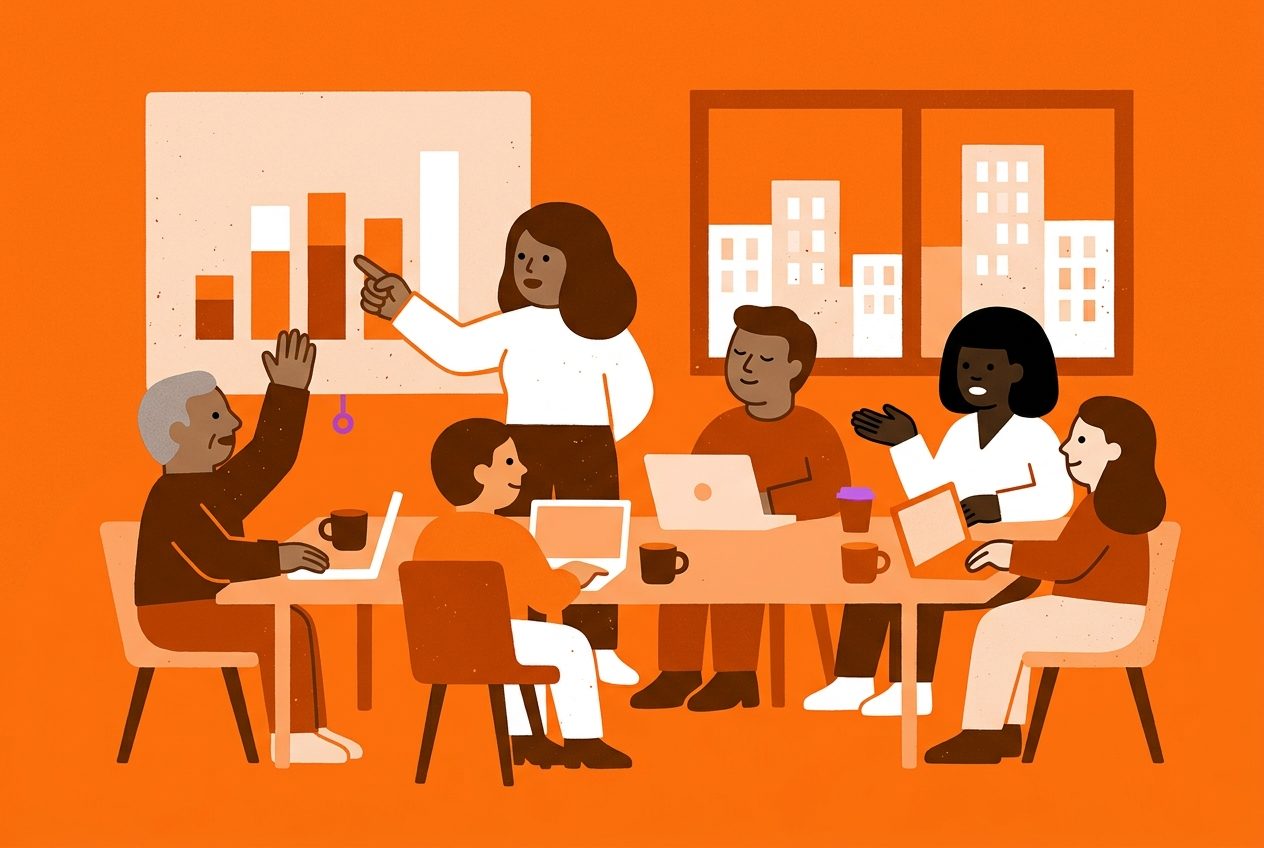
Sorry to Interrupt: agreeing, disagreeing and interrupting
Students learn the language for running and taking part in a meeting (agreeing, disagreeing and interrupting politely) and write a follow-up email with action points.
Skills focusBusiness English
60 min
Stranded! Past perfect continuous
Students practise the past perfect continuous to explain delays and travel problems, then write about a journey that went wrong.
Grammar focus
65 min
Tell Me About a Time When…: job interviews
Students learn to answer common job interview questions, talk positively about their strengths and weaknesses, and structure "Tell me about a time when…" answers with Situation, Task, Action and Result.
Skills focusBusiness English
65 min
Weather to Remember: so and such … that
Students learn to use so and such … that to describe extreme weather and its results, then write about memorable weather.
Grammar focus
50 min
What Did the Witnesses Say? Reported speech
Students practise reported speech across all tenses using witness statements, then write a short news report about an incident.
Grammar focus
55 min

What If Things Had Been Different? Role cards
Students tell the story of a past choice in three steps and imagine, with mixed conditionals, how their life would be different now; their partner asks questions and reports one sentence.
Grammar focus
20 min
What If? Mixed conditionals
Students practise mixed conditionals to talk about life choices and their results today, then write about a turning point in a life.
Grammar focus
65 min

Who Took the Laptop? Witness role cards
Students interview witnesses to a café theft and then report what each person said, using reported speech and verbs like deny, admit, claim and insist.
Grammar focus
25 min
Word Formation 1: Noun Suffixes
Students learn to form nouns with -ment, -ness, -ion and -ity, including the spelling changes, and practise them in exam-style Part 3 word formation texts.
Vocabulary focusExam preparation
80 min
Word Formation 2: Adjective Suffixes
Students form adjectives with -ful, -less, -ous, -able, -ible, -al, -ive and -y, including spelling changes and negative forms, and practise them in two exam-style Part 3 texts.
Vocabulary focusExam preparation
80 min
Word Formation 3: Negative Prefixes
Students form negative words with un-, in-, im-, il-, ir-, dis- and mis-, including words with a prefix and a suffix, and practise them in two exam-style Part 3 texts.
Vocabulary focusExam preparation
80 min
Word Formation 4: Strengthen Your Verbs
Students form verbs with -en, -ise, -ify, en- and re-, put them in the right form for the sentence, and practise them in two exam-style Part 3 texts.
Vocabulary focusExam preparation
80 min
Word Formation 5: Adverbs and Spelling Traps
Students form adverbs from adjectives, nouns and verbs, spell the endings and the common spelling traps correctly, and practise them in two exam-style Part 3 texts.
Vocabulary focusExam preparation
80 min
Writing a Report 1: Facts First
Students organise a report with a title and headings, present survey findings with evidence and make clear recommendations in a B2 First Part 2 report.
Skills focusExam preparation
80 min
Writing a Review 1: Worth It or Not?
Students analyse a model review, practise evaluating and recommending with stronger and softer language and write a B2 First Part 2 review that tells readers who it suits.
Skills focusExam preparation
80 min
Writing an Article 1: Hook Your Reader
Students analyse a model article, practise ways to hook and talk to the reader and write a B2 First Part 2 article that answers every question in the task.
Skills focusExam preparation
80 min
Writing an Article 2: Make Your Point
Students analyse an opinion article, practise lively ways to make, support and balance a point, and write a B2 First Part 2 article that gives a clear opinion and answers every question in the task.
Skills focusExam preparation
80 min
Writing an Email 1: Who Are You Writing To?
Students choose the right style for the reader, answer every point in the task and write a B2 First Part 2 email with a matching opening and ending.
Skills focusExam preparation
80 min
Writing an Email 2: Not Too Formal, Not Too Friendly
Students write a polite but friendly reply to someone they know, answer every point in the email, ask indirect questions and write a B2 First Part 2 email.
Skills focusExam preparation
75 min
Writing an Essay 1: Plan, Link and Give Your Opinion
Students analyse a model essay, practise the linking words that organise an argument and write a B2 First Part 1 essay with a clear opinion.
Skills focusExam preparation
80 min
Writing an Essay 2: Make Every Point Count
Students support each point with a reason and an example, add their own idea, treat the other side fairly and write a B2 First Part 1 essay.
Skills focusExam preparation
80 min
Writing: The Guide
Students find out what the B2 First Writing paper asks for, compare the five kinds of writing, practise the language and plans that suit each one, and write a review.
Skills focusExam preparation
60 min

You're Hired? Interview role cards
Students role-play job interviews, answering competency questions with clear STAR stories and presenting their strengths and weaknesses positively.
Skills focusBusiness English
25 min
Breakthrough or False Hope? Word formation
Students build word families and negative prefixes around medical research headlines, then write a magazine article about whether health news can be trusted.
Vocabulary focus
55 min
Bury the Hatchet: Idioms about friendship and falling out
Students learn idioms for getting on, falling out and making up, then use them to write a short story about two people who reconcile.
Vocabulary focus
55 min
Careful Claims: Hedging in reports
Students learn to hedge claims with cautious language like tend to and it would appear, then write a careful report on a student survey.
Skills focus
55 min

Closing the Deal: Negotiation role cards
Students negotiate three business deals diplomatically, using softening, proposals and conditions to reach an agreement both sides can accept.
Skills focusBusiness English
30 min

Collocation Pairs: A card game
Students match strong collocations for public debate in a memory card game and use each pair in a sentence of their own.
Vocabulary focus
15 min

Fit for Work: a health and safety improvement plan
Students analyse a supermarket chain's absence and accident figures, then plan and present a health and safety improvement plan to the board.
Skills focusBusiness English
70 min
Fit for Work: health, safety and absence at work
Students learn the language of workplace health, safety and absence, explain causes and effects, and write an email to a board recommending improvements.
Vocabulary focusBusiness English
70 min

Formal or Friendly? A register card game
Students match formal words with their everyday equivalents in a memory card game and use each pair to say a sentence in both registers.
Skills focus
15 min

Founders' Stories: Start-up info gap
Students complete the stories of six small-business founders by asking about the missing steps and answering with perfect participle clauses.
Grammar focusBusiness English
20 min
Getting the Tone Right: Formal and informal register
Students learn to switch between informal and formal register in complaints and emails, then write a formal complaint about a faulty product.
Skills focus
55 min
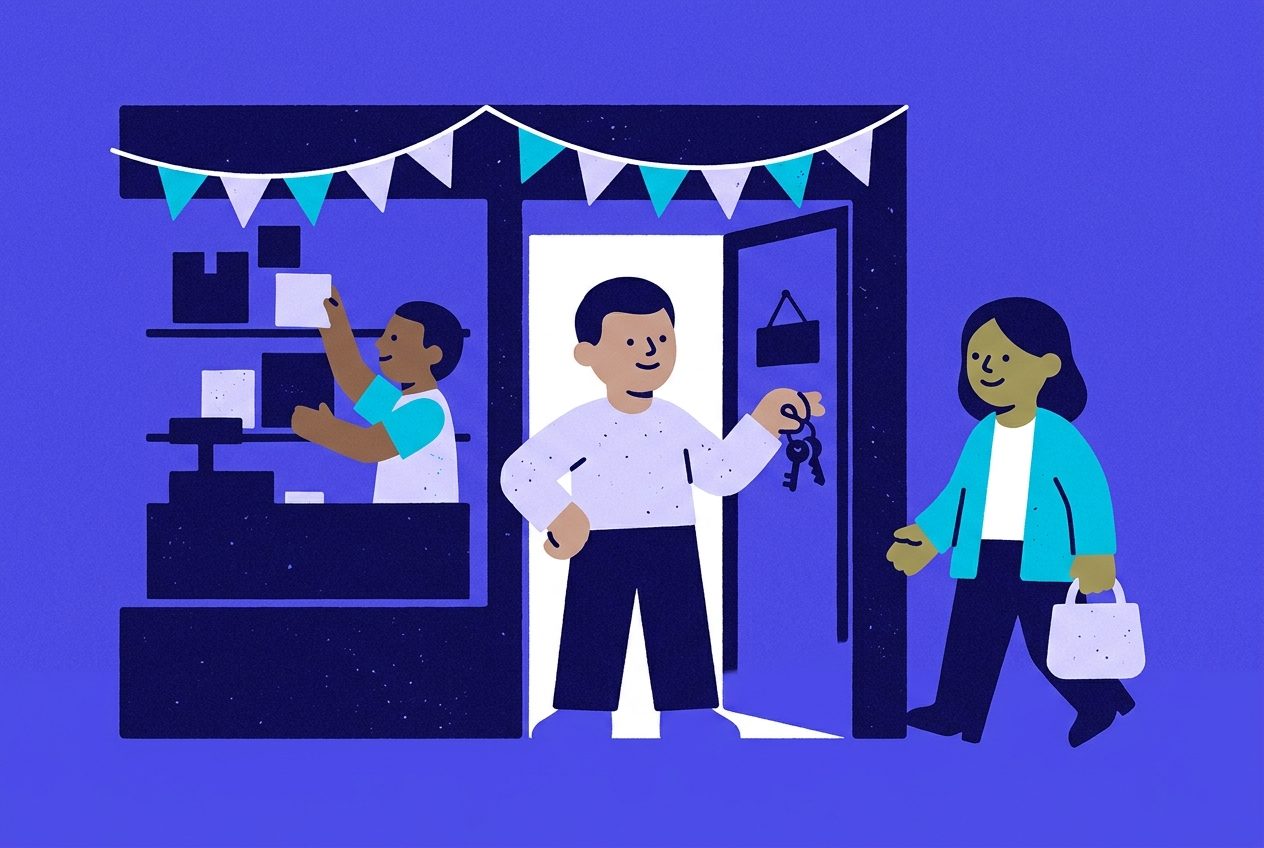
Having Taken the Plunge: perfect participle clauses
Students learn perfect participle clauses, like having saved, to describe how small businesses started, then write a profile of a business for a magazine.
Grammar focusBusiness English
60 min
It Is Essential That…: The subjunctive
Students learn the subjunctive after verbs and phrases like insist and it is essential that, then write a formal notice announcing new rules.
Grammar focus
60 min
Never Had They Seen Such Ice: inversion after negative adverbials
Students learn inversion after negative adverbials like never and hardly for dramatic emphasis, then write an account of a journey that went badly wrong.
Grammar focus
60 min
Phasing Out Plastic: Phrasal verbs for change
Students learn phrasal verbs for change and campaigning, like phase out and crack down on, then write a proposal for making their area greener.
Vocabulary focus
60 min

Pitch Perfect: Advertising role cards
Students role-play an advertising meeting, pitching and challenging a campaign with what-clefts to give their points emphasis.
Grammar focus
25 min
Pose a Threat, Reach a Consensus: Collocations for public debate
Students learn strong collocations for public debate, like pose a threat, then write a letter giving their view on a local plan.
Vocabulary focus
55 min
Prone to Distraction: Dependent prepositions
Students practise nouns, verbs and adjectives with dependent prepositions to talk about habits and distraction, then write a short article about changing a habit.
Vocabulary focus
55 min

Read the Figures: Trend word cards
Students read short sets of figures and choose the precise verb or adverb to describe each trend, explaining why the other word doesn't fit.
Vocabulary focusBusiness English
15 min
Soar, Plummet, Level Off: Describing trends in presentations
Students learn precise verbs, adverbs and prepositions for describing trends and figures, practise signposting a presentation, then write a short report on a company's sales.
Vocabulary focusBusiness English
60 min
The Price of a View: Linking contrast and concession
Students practise linking words for contrast and concession, like whereas and albeit, to debate tourism and conservation, then write a balanced essay.
Skills focus
55 min
What Sells Is the Story: what-clefts
Students learn what-clefts to give emphasis when talking about advertising and campaigns, then write a paragraph about an advert they remember well.
Grammar focus
60 min
Would You Be Prepared To…? Negotiating diplomatically: softening, proposals and conditions
Students learn to negotiate diplomatically (softening, making proposals, setting conditions and closing a deal) and write an email confirming agreed terms.
Skills focusBusiness English
65 min
A Spanner in the Works: Idioms for plans and problems
Students learn idioms and fixed expressions for plans and problems through a renovation story, then write a blog post about a project that went wrong.
Vocabulary focus
60 min

Cut the Clutter: Editing cards
Students edit wordy sentences down to their essentials, removing redundancy and tautology, and compare their versions with a partner.
Skills focus
20 min
Cut the Clutter: Editing for concision
Students learn to edit for concision by cutting redundancy and wordiness from a council report, then rewrite a sentence and argue a case succinctly.
Skills focus
65 min
Economical with the Truth: Connotation, euphemism and spin
Students explore connotation, euphemism and spin in corporate language, then write a plain-speaking email replying to a company announcement full of euphemisms.
Vocabulary focus
60 min
From Notes to Paper: Academic style and nominalisation
Students learn the features of academic style, especially nominalisation, by studying a volunteering report, then turn informal notes into an academic abstract.
Skills focus
60 min

Gone Are the Days: Discussion cards
Students discuss how shops, towns and habits have changed, using fronting and inversion to give their opinions emphasis.
Grammar focus
20 min
Gone Are the Days: Fronting and emphasis
Students learn fronting and emphatic structures, like gone are the days and such was, then write a feature article about a place that has changed.
Grammar focus
60 min
If So, Say So: Ellipsis and substitution
Students learn ellipsis and substitution, like do so and that of, to avoid repetition, then write a review of a performance.
Grammar focus
60 min
Imply or Infer? Near-synonyms that trip up fluent speakers
Students learn to choose precisely between near-synonyms, like imply and infer, through a festival row, then write a letter to the editor.
Vocabulary focus
60 min
Same Story, Two Papers: Journalistic style
Students compare broadsheet and tabloid styles in news reports about library closures, then write one story in both styles.
Skills focus
60 min
Say It Differently: Paraphrasing and summarising
Students practise paraphrasing without changing meaning and summarising the main points of a text, then write a short summary for a newsletter.
Skills focus
65 min

Say It Right: Near-synonym cards
Students choose the precise word from pairs of near-synonyms in a team card game and explain the difference in meaning.
Vocabulary focus
15 min
Words That Move: The rhetoric of speeches
Students analyse rhetorical devices, like the rule of three and rhetorical questions, in a graduation speech, then write a short speech of their own.
Skills focus
60 min