Loading…
Lesson Plans
93 of 155 lesson plans ·
Level
Focus
Purpose
A1Beginner· 25
At the Café: I'd like
Students practise I'd like, Would you like…? and Can I have…? to order food and drink, then write a short café conversation.
Grammar focus
At the Shop: this, that, these, those
Students learn this, that, these and those to talk about things in a shop, then write a short dialogue set in a clothes shop.
Grammar focus
Call Me! Subject and Object Pronouns
Students practise subject and object pronouns to talk about calling, texting and emailing people, then write a message asking a friend for help.
Grammar focus
Choosing a Hotel: Comparatives and Superlatives
Students learn comparative and superlative adjectives to compare hotels, then write a comparison of two places in their own town.
Grammar focus
Describe It: Adjectives
Students learn common adjectives for describing people and things, then write a short description of a friend or family member.
Grammar focus

Finding Your Way: Directions in Town
Students learn imperatives and prepositions of place to give simple directions in town, then write a message telling a friend how to find their home.
Grammar focus
Food and Drink: a, an, some
Students learn when to use a, an and some with food and drink words, then write about their favourite meal of the day.
Grammar focus
Free Time: and, but, or, because
Students practise joining ideas with and, but, or and because to talk and write about their free time and hobbies.
Grammar focus
From Morning to Night: present simple
Students learn the present simple to describe daily routines from morning to night, then write about their own day and a friend's.
Grammar focus
Getting to Know You: Questions
Students practise basic question forms to get to know a new classmate, then write six questions with their own answers.
Grammar focus
How Do You Feel? very and really
Students use very and really with feelings adjectives to say how they feel, then write about their feelings at different times of the week.
Grammar focus
How Often? Adverbs of Frequency
Students use adverbs of frequency such as always, often and never to talk and write about how often they do everyday activities.
Grammar focus
Last Weekend: Past Simple
Students learn regular and common irregular past simple verbs to talk about last weekend, then write about the places they went and people they saw.
Grammar focus
Likes and Dislikes: verb + -ing
Students use like, love, enjoy and hate with verb + -ing to talk about likes and dislikes, then write about their own preferences.
Grammar focus
My Family: my, his, her and 's
Students practise my, his, her and possessive 's to talk about family members, then write about their own family's names and jobs.
Grammar focus
Nice to Meet You: am, is, are
Students use am, is and are to introduce themselves and talk about other people, then write about themselves and two people they know.
Grammar focus
On Monday at Eight: in, on and at for time
Students learn in, on and at for times, days and parts of the day, then write about their week and daily schedule.
Grammar focus
Things I Can Do: can and can't
Students use can and can't to talk about abilities at school and in daily life, then write about what they can and can't do.
Grammar focus
Travel Plans: want to, would like to
Students use want to and would like to for travel plans, then write an email to a friend about a trip they want to take.
Grammar focus
Weekend Plans: going to
Students use be going to to talk about future plans, then write about their plans for tomorrow, next weekend and next month.
Grammar focus
Welcome to My Flat: there is, there are
Students use there is and there are to describe rooms and things in a home, then write a description of their own home.
Grammar focus
What Are You Doing? present continuous for now
Students learn the present continuous to describe what people are doing right now, then write about activities happening at home, work or in the street.
Grammar focus
What Have You Got? have got
Students learn have got and has got to talk about family and possessions, then write about their family and the things they have.
Grammar focus
Whose Is It? mine, yours, his, hers
Students learn possessive pronouns such as mine, yours and hers to talk about clothes and say who things belong to.
Grammar focus
Yesterday's Weather: was / were
Students learn was and were to talk about the weather and where they were in the past, then write about last weekend.
Grammar focus
A2Elementary· 28
A Person Who Helps: who, which, that, where
Students learn to use who, which, that and where to describe jobs and workplaces, then write about a job they know.
Grammar focus
At the Doctor's: have to and should
Students practise have to for rules and should for advice in a visit to the doctor, then write advice to a sick friend.
Grammar focus
Big Decisions: verb + to-infinitive
Students practise verb + to-infinitive after decide, plan and hope to talk about big decisions, then write about one of their own.
Grammar focus
Could You Call a Taxi? can and could
Students learn to use can and could for ability and polite requests in a hotel, then write about a hotel stay.
Grammar focus
Have We Got Any Cheese? some, any, much, many
Students practise some, any, much and many with food and countable and uncountable nouns, then write about a favourite recipe.
Grammar focus
Have You Ever…? Present Perfect
Students learn to use the present perfect with ever, already and just to talk about experiences, then write about their own experiences.
Grammar focus
How Was Your Holiday? Questions in the past
Students practise asking and answering questions in the past simple about holidays, then write an interview with a traveller.
Grammar focus
I Enjoy Taking Photos: verb + -ing
Students practise verb + -ing after like, enjoy and hate to talk about technology, then write about how they use it.
Grammar focus
I'm Going to Do My Best: be going to
Students learn to use be going to for plans and intentions about studying, then write their own learning plan for the year.
Grammar focus
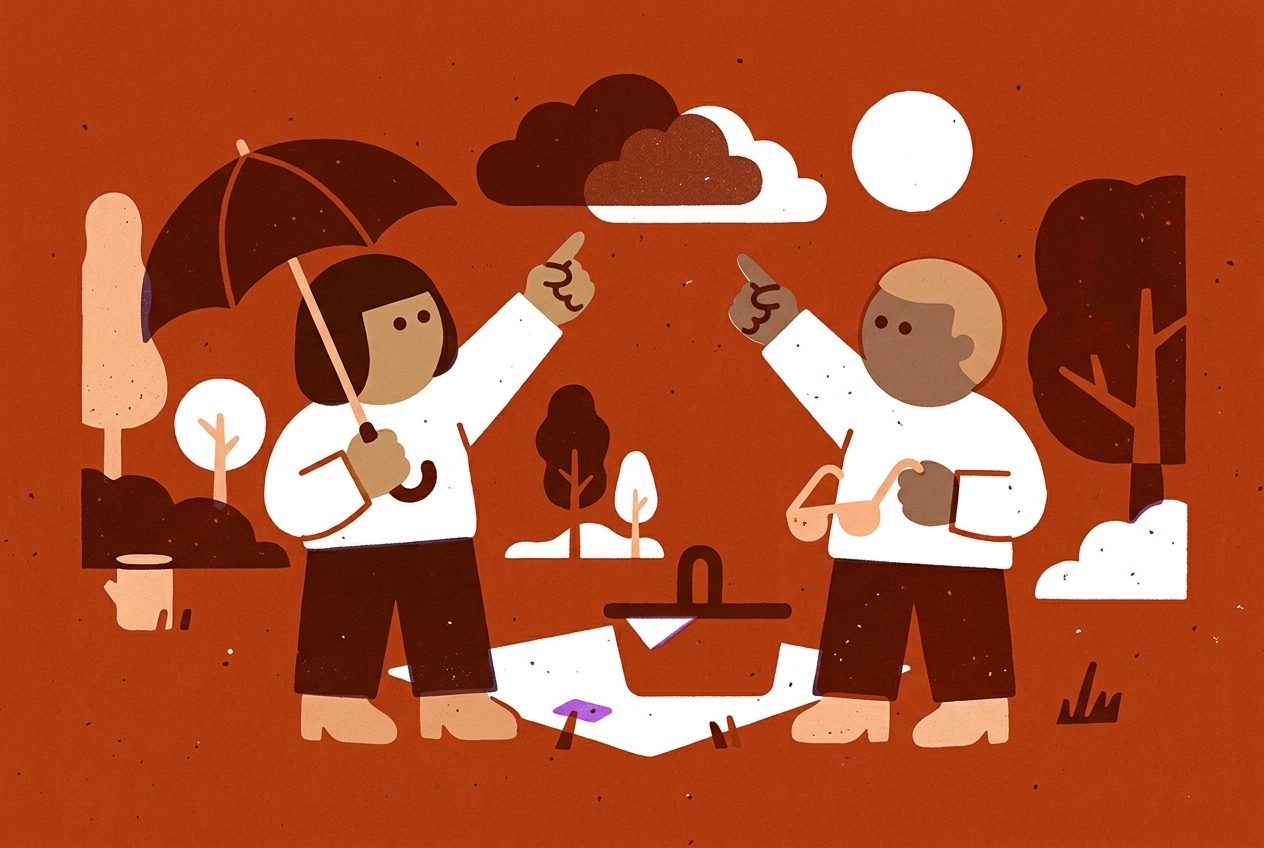
If It Rains…: First Conditional
Students learn to use the first conditional to talk about weekend plans that depend on the weather, then write a message to a friend.
Grammar focus
It Will Be Sunny: will and won't for predictions
Students learn to use will and won't for predictions about the weather, then write a three-day forecast for their town.
Grammar focus
Maybe, Might, Probably: Talking About Possibility
Students learn to use might, may and probably to talk about possible plans and the weather, then write about next weekend.
Grammar focus
My Busy Week: present continuous for the future
Students learn to use the present continuous for future arrangements and appointments, then write a message about their plans for next week.
Grammar focus
Not a Normal Week: present simple or continuous?
Students practise contrasting the present simple and present continuous to talk about housework and routines, then write about life at home.
Grammar focus
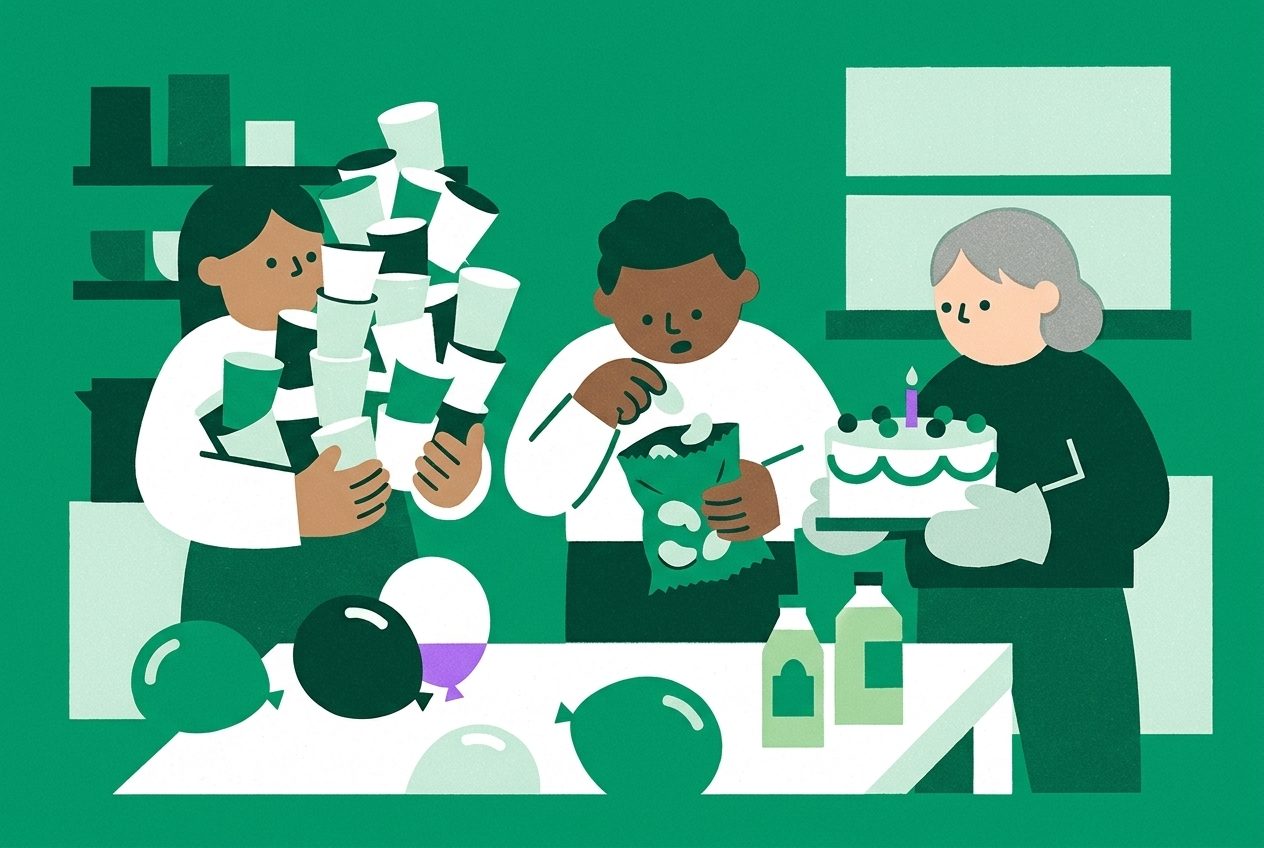
Planning a Party: too much, enough, a few
Students practise too much, too many, enough and a few to plan food and drinks for a party, then write a party plan.
Grammar focus
Please Water the Plants: instructions for a house-sitter
Students practise imperatives and prepositions of place to give instructions around the home, then write a note for a house-sitter.
Grammar focus
Quieter Than the City: comparatives and superlatives
Students practise comparatives and superlatives to describe and compare places, then write a short comparison of two places they know.
Grammar focus
Rules and Signs: must and mustn't
Students practise must and mustn't to talk about rules and signs, then write the rules for a place they know.
Grammar focus
She Says She's Late: reporting messages
Students learn to report messages with says and tells, practising texts, emails and calls, then write about their own messages.
Grammar focus
So, Where Do You Work? Questions for a new flatmate
Students practise forming questions to find out about a new flatmate, then write questions and answers for a flatmate interview.
Grammar focus
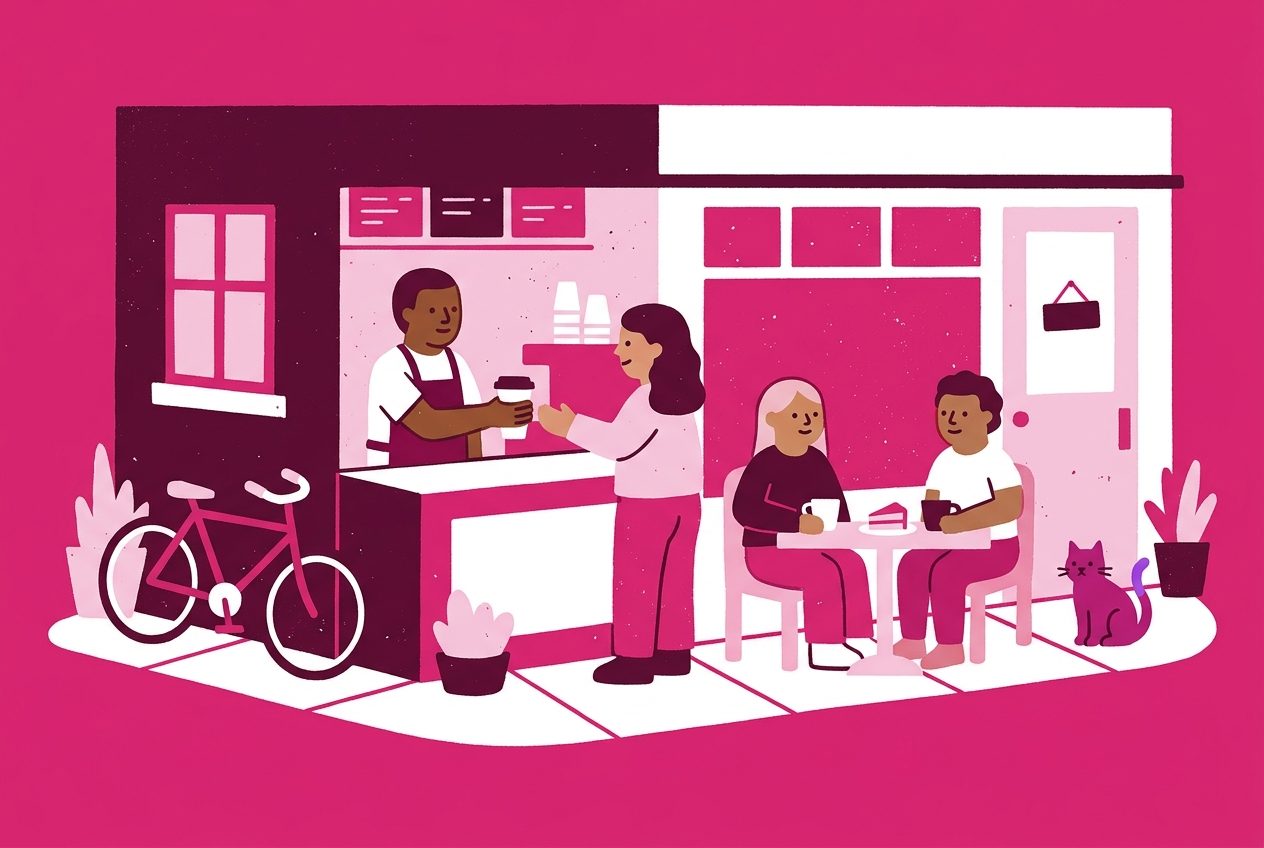
The Best Café in Town: a, the or no article
Students practise using a, the and no article to talk about places in a town, then write a short guide for a visitor.
Grammar focus
The Night of the Storm: Past Continuous
Students learn to use the past continuous with while and when to tell a story, then write about a surprising night.
Grammar focus
This One or That One? this, that, these, those
Students practise this, that, these and those while shopping for clothes, then write a conversation in a clothes shop.
Grammar focus
Twice a Week: word order with time and frequency
Students practise word order with time phrases and frequency adverbs to talk about free time, then write about their own free time.
Grammar focus
We Missed the Bus! The past simple
Students practise the past simple, including irregular verbs, to talk about trips and transport, then write about a journey they took.
Grammar focus
When I Was a Child: used to
Students learn to use used to for past habits and states to talk about childhood, then write about their own childhood.
Grammar focus
Whose Is This? 's and mine, yours, hers
Students practise possessive 's and pronouns like mine and yours to talk about belongings, then write an email to a lost property office.
Grammar focus
Why Did You Go? to + verb for purpose
Students learn to use to + verb to say why they go to places in town, then write about a busy Saturday.
Grammar focus
B1Intermediate· 16
Although I Love My Job…: although and even though
Students use although and even though to contrast ideas about work, then write their opinion on a four-day working week.
Grammar focus
Have You Ever…? present perfect or past simple
Students choose between the present perfect and past simple to talk about life experiences, then write about things they have done and when.
Grammar focus
I Should Have Checked: should have, could have, might have
Students use should have, could have and might have to talk about past mistakes, then write about a time when something went wrong.
Grammar focus
I've Been Painting All Day: the present perfect continuous
Students use the present perfect continuous to talk about recent activities and their results, then write an email about a hobby or home project.
Grammar focus
If I Had Known: the third conditional
Students use the third conditional to talk about past decisions and regrets, then write about an important decision and what might have happened instead.
Grammar focus
If I Were You: the second conditional for advice
Students use the second conditional to give advice and talk about situations that aren't real, then write a reply to a friend facing a difficult decision.
Grammar focus
If You Click That Link…: zero and first conditional
Students practise zero and first conditionals to talk about technology and its results, then write advice for a friend with a new smartphone.
Grammar focus
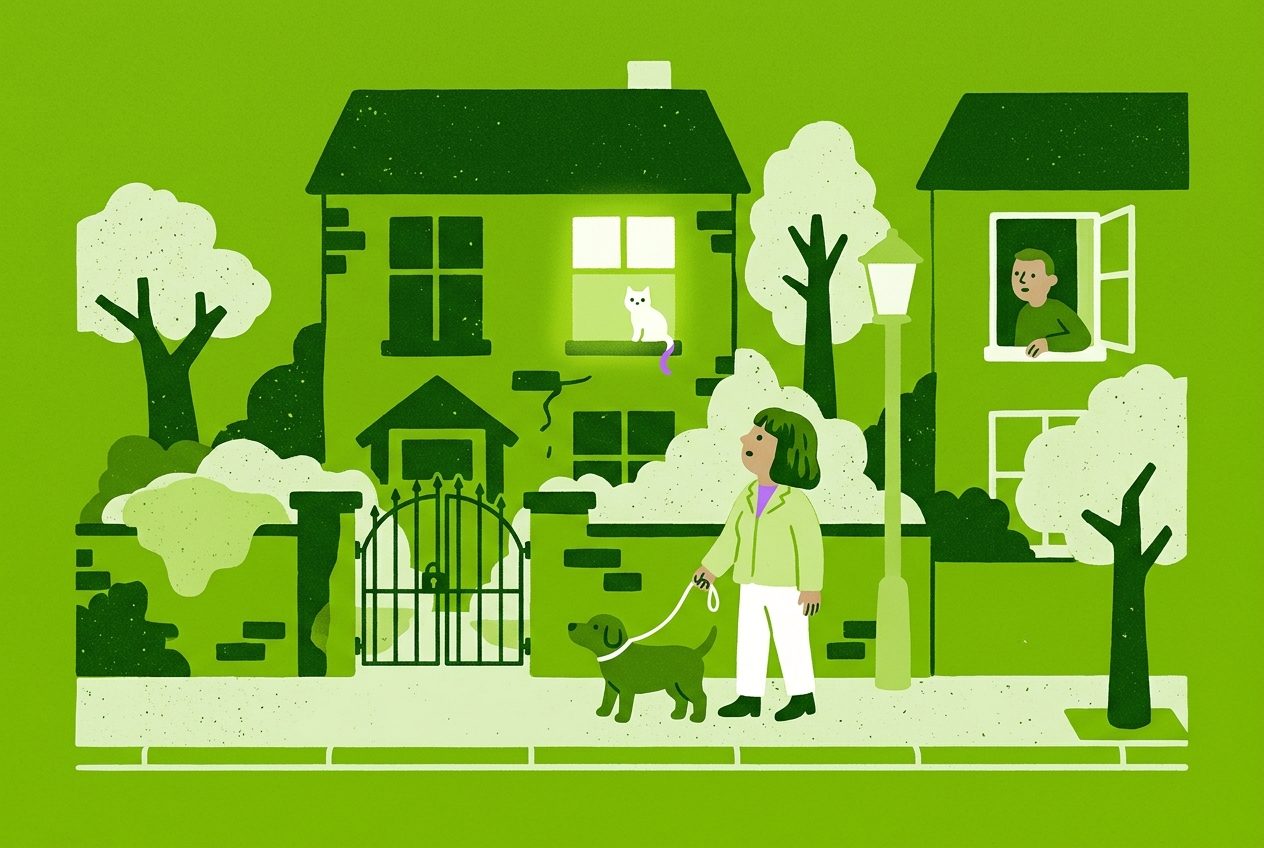
It Must Be the Cat! must, might and can't
Students use must, might and can't to make deductions about mysteries from clues, then write their guesses about a mysterious new neighbour.
Grammar focus
Must or Have To? School rules
Students compare must, have to, need to and needn't to talk about school or work rules, then write a guide for a newcomer.
Grammar focus
Nice to Meet You at Last: question tags for networking
Students use question tags to check information and keep a conversation going while networking at a conference, then write a follow-up email to a new contact.
Grammar focusBusiness English
She Said She Was Nervous: reporting what people said
Students learn to report statements, questions and commands from interviews, then interview someone and write a short report of what they said.
Grammar focus
The Colleague Whose Job I Want: relative clauses at work
Students use defining relative clauses with who, which, that and whose to describe people and jobs at work, then describe a workplace they know.
Grammar focus
The Train Had Already Left: past perfect
Students use the past perfect to talk about earlier events in travel stories, then write about a journey when something went wrong.
Grammar focus
We Used to Play Outside: used to and would
Students use used to and would to talk about past habits and how places have changed, then write about the neighbourhood where they grew up.
Grammar focus
Who Invented It? The passive
Students learn to use the passive to talk about famous inventions and discoveries, then write about the history of an everyday object.
Grammar focus
Will You Be Free on Thursday? Future continuous
Students use the future continuous to talk about what they'll be doing at times next week, ask polite questions about plans, and write an email arranging a meeting.
Grammar focusBusiness English
B2Upper intermediate· 11
B2 First preparation
45 lesson plans in the exam's own format, and a week-by-week course
A Town with a Story: non-defining relative clauses
Students learn to use non-defining relative clauses to add information about towns and landmarks, then write a short guide to a town.
Grammar focus
Against the Odds: despite and in spite of
Students learn to use despite and in spite of to describe sporting comebacks, then write about someone who succeeded against the odds.
Grammar focus
Five Years from Now: Future perfect
Students practise the future perfect to talk about career and life goals, then write a five-year plan for themselves.
Grammar focus
How Work Is Changing: The passive (all forms)
Students practise all forms of the passive to describe changes at work, then write a short report for a newsletter.
Grammar focusBusiness English
If Only I Lived Closer! wish and if only
Students practise wish and if only to talk about regrets and wishes about city living, then write a housing forum post.
Grammar focus
It Was the Music That Made It: it-clefts
Students learn to use it-cleft sentences to emphasise points when talking about films, then write a short review of a film or series.
Grammar focus
Someone Must Have Taken It! Past deduction
Students practise must have, can't have and might have to work out what happened in travel mix-ups, then write a travel mystery.
Grammar focus
Stranded! Past perfect continuous
Students practise the past perfect continuous to explain delays and travel problems, then write about a journey that went wrong.
Grammar focus
Weather to Remember: so and such … that
Students learn to use so and such … that to describe extreme weather and its results, then write about memorable weather.
Grammar focus
What Did the Witnesses Say? Reported speech
Students practise reported speech across all tenses using witness statements, then write a short news report about an incident.
Grammar focus
What If? Mixed conditionals
Students practise mixed conditionals to talk about life choices and their results today, then write about a turning point in a life.
Grammar focus
C1Advanced· 4

Having Taken the Plunge: perfect participle clauses
Students learn perfect participle clauses, like having saved, to describe how small businesses started, then write a profile of a business for a magazine.
Grammar focusBusiness English
It Is Essential That…: The subjunctive
Students learn the subjunctive after verbs and phrases like insist and it is essential that, then write a formal notice announcing new rules.
Grammar focus
Never Had They Seen Such Ice: inversion after negative adverbials
Students learn inversion after negative adverbials like never and hardly for dramatic emphasis, then write an account of a journey that went badly wrong.
Grammar focus
What Sells Is the Story: what-clefts
Students learn what-clefts to give emphasis when talking about advertising and campaigns, then write a paragraph about an advert they remember well.
Grammar focus
C2Proficiency· 2
Gone Are the Days: Fronting and emphasis
Students learn fronting and emphatic structures, like gone are the days and such was, then write a feature article about a place that has changed.
Grammar focus
If So, Say So: Ellipsis and substitution
Students learn ellipsis and substitution, like do so and that of, to avoid repetition, then write a review of a performance.
Grammar focus