Loading…
Lesson Plans
16 of 155 lesson plans ·
Level
Focus
Purpose
B1Intermediate· 16
Although I Love My Job…: although and even though
Students use although and even though to contrast ideas about work, then write their opinion on a four-day working week.
Grammar focus
Have You Ever…? present perfect or past simple
Students choose between the present perfect and past simple to talk about life experiences, then write about things they have done and when.
Grammar focus
I Should Have Checked: should have, could have, might have
Students use should have, could have and might have to talk about past mistakes, then write about a time when something went wrong.
Grammar focus
I've Been Painting All Day: the present perfect continuous
Students use the present perfect continuous to talk about recent activities and their results, then write an email about a hobby or home project.
Grammar focus
If I Had Known: the third conditional
Students use the third conditional to talk about past decisions and regrets, then write about an important decision and what might have happened instead.
Grammar focus
If I Were You: the second conditional for advice
Students use the second conditional to give advice and talk about situations that aren't real, then write a reply to a friend facing a difficult decision.
Grammar focus
If You Click That Link…: zero and first conditional
Students practise zero and first conditionals to talk about technology and its results, then write advice for a friend with a new smartphone.
Grammar focus
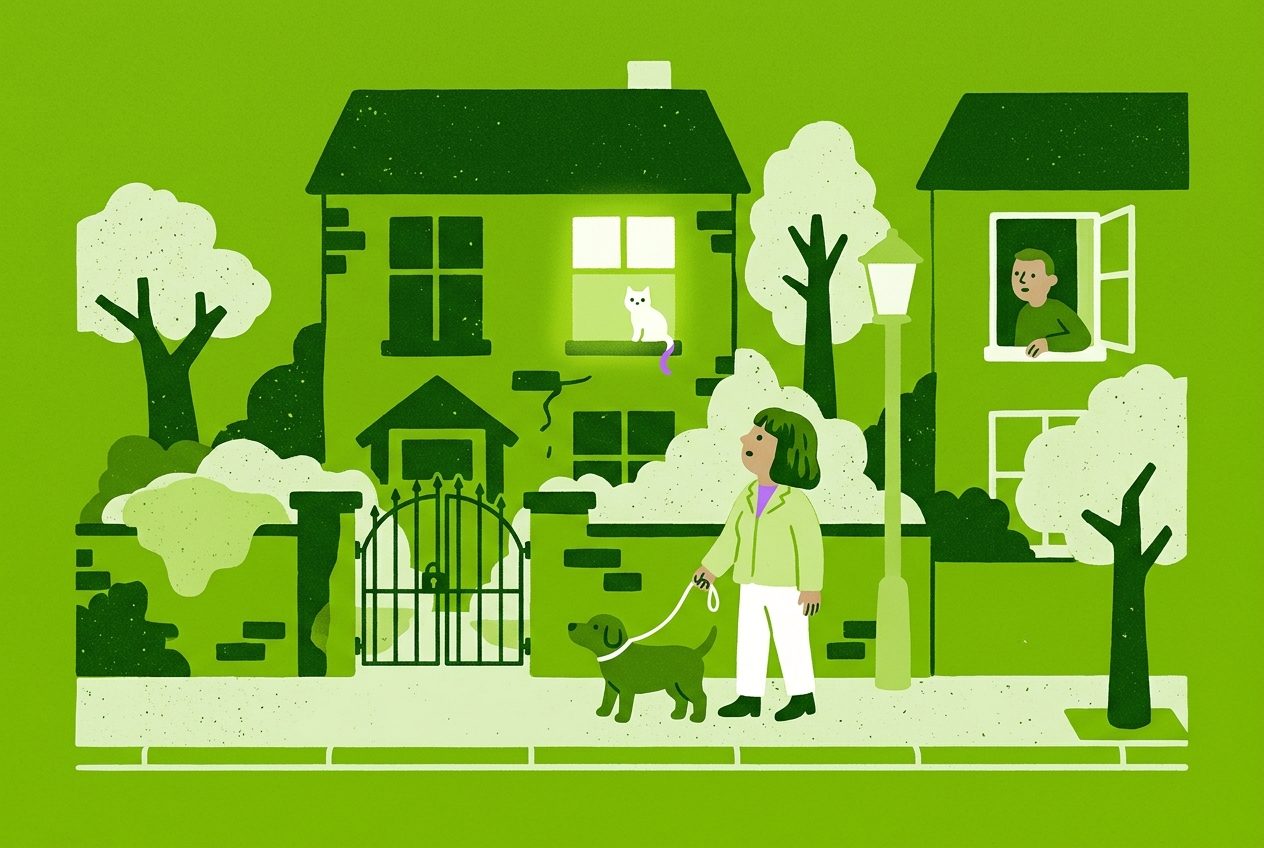
It Must Be the Cat! must, might and can't
Students use must, might and can't to make deductions about mysteries from clues, then write their guesses about a mysterious new neighbour.
Grammar focus
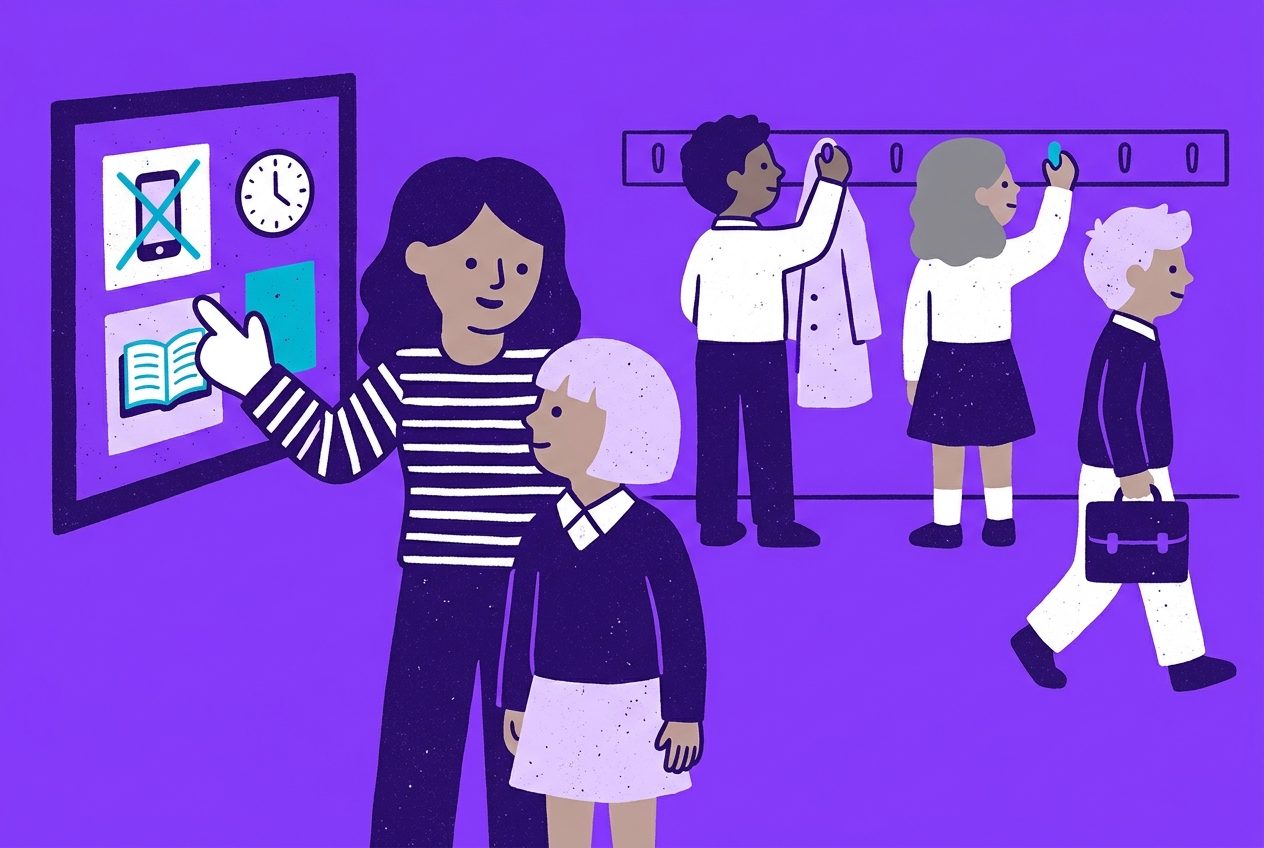
Must or Have To? School rules
Students compare must, have to, need to and needn't to talk about school or work rules, then write a guide for a newcomer.
Grammar focus
Nice to Meet You at Last: question tags for networking
Students use question tags to check information and keep a conversation going while networking at a conference, then write a follow-up email to a new contact.
Grammar focusBusiness English
She Said She Was Nervous: reporting what people said
Students learn to report statements, questions and commands from interviews, then interview someone and write a short report of what they said.
Grammar focus
The Colleague Whose Job I Want: relative clauses at work
Students use defining relative clauses with who, which, that and whose to describe people and jobs at work, then describe a workplace they know.
Grammar focus
The Train Had Already Left: past perfect
Students use the past perfect to talk about earlier events in travel stories, then write about a journey when something went wrong.
Grammar focus
We Used to Play Outside: used to and would
Students use used to and would to talk about past habits and how places have changed, then write about the neighbourhood where they grew up.
Grammar focus
Who Invented It? The passive
Students learn to use the passive to talk about famous inventions and discoveries, then write about the history of an everyday object.
Grammar focus
Will You Be Free on Thursday? Future continuous
Students use the future continuous to talk about what they'll be doing at times next week, ask polite questions about plans, and write an email arranging a meeting.
Grammar focusBusiness English